Sampling feels like it slows a project down, which is exactly why it’s the stage most likely to get rushed. In practice, it’s the cheapest place to catch a problem — far cheaper than catching it after a full production run.
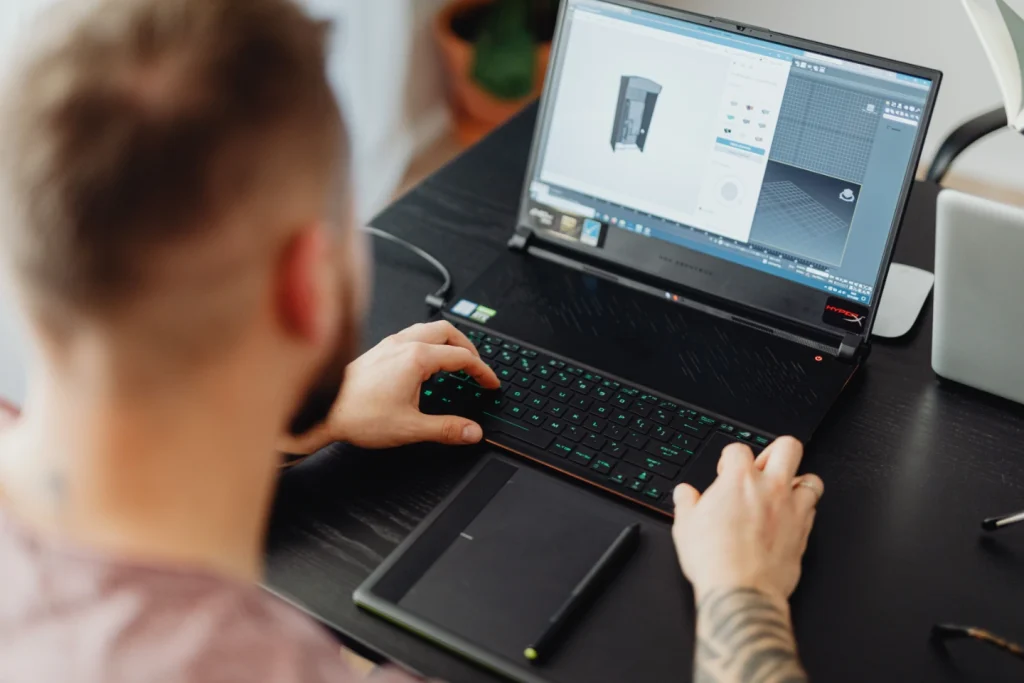
A typical loop moves from a CAD or tech pack, to a first physical sample, to a round of fit and finish corrections, to a pre-production sample that should match what actually ships. Skipping a round to save a week almost always costs more time later, when a fix has to happen mid-production instead of before it.
The brands that run this well treat sampling as a fixed number of rounds with a clear approval point, not an open-ended back-and-forth. That structure is what keeps a tight timeline tight.